Security labs with LSCP
Sam Lyhin at LSCP, a security consulting team, brought an idea to test. We built the platform, then the software for five labs designed by LSCP, with realistic products and reliable operation around a deliberately placed vulnerability.
An idea that needed working software
Sam Lyhin at LSCP, a security consulting team, had an idea and asked us to build a platform to test it. It worked. That first experiment grew into a collaboration on machines, with Sam designing the labs through LSCP and us building the software to make them work. We have built five labs together; one is live on Hack The Box, and we build more when time allows.
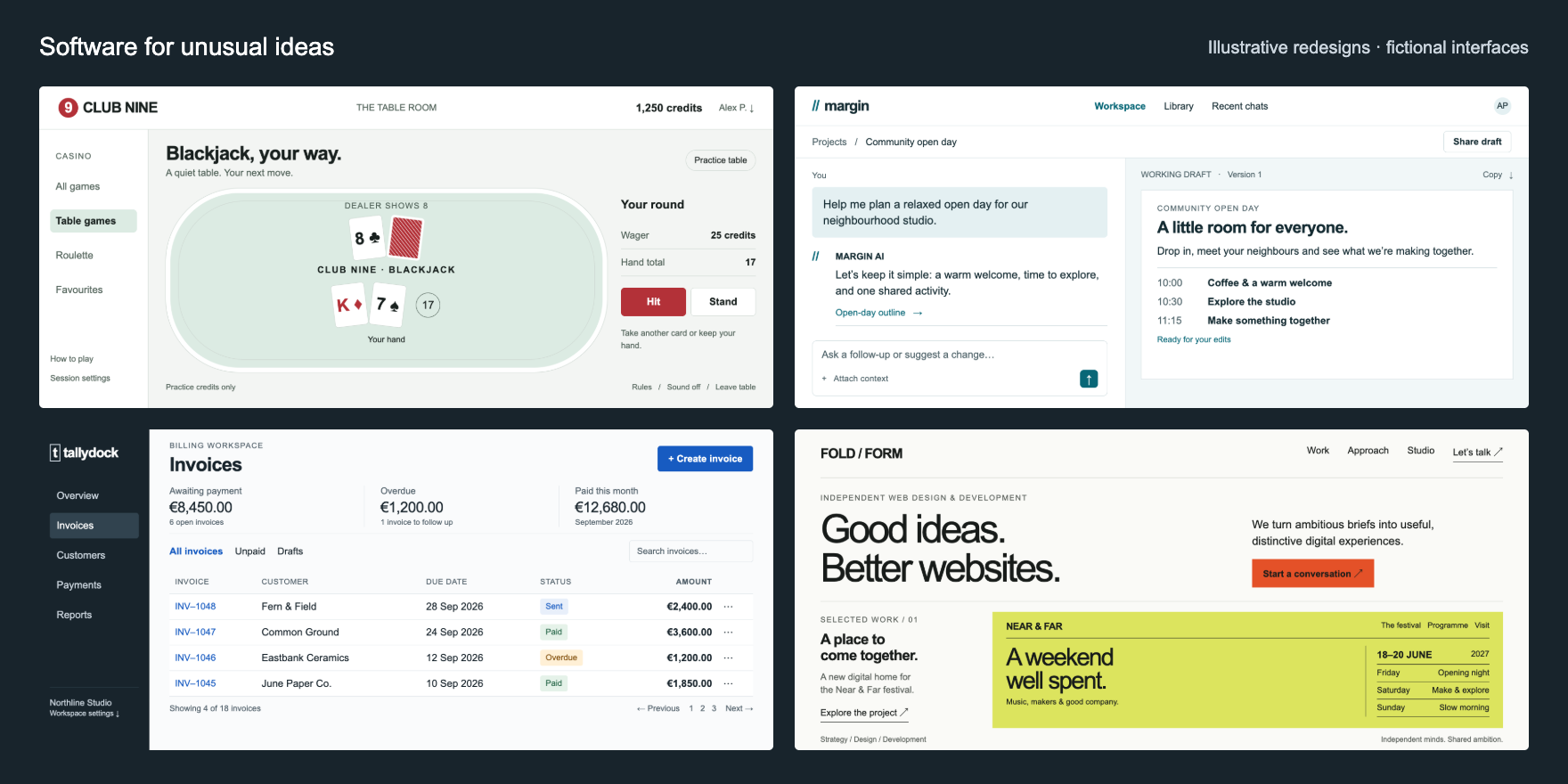
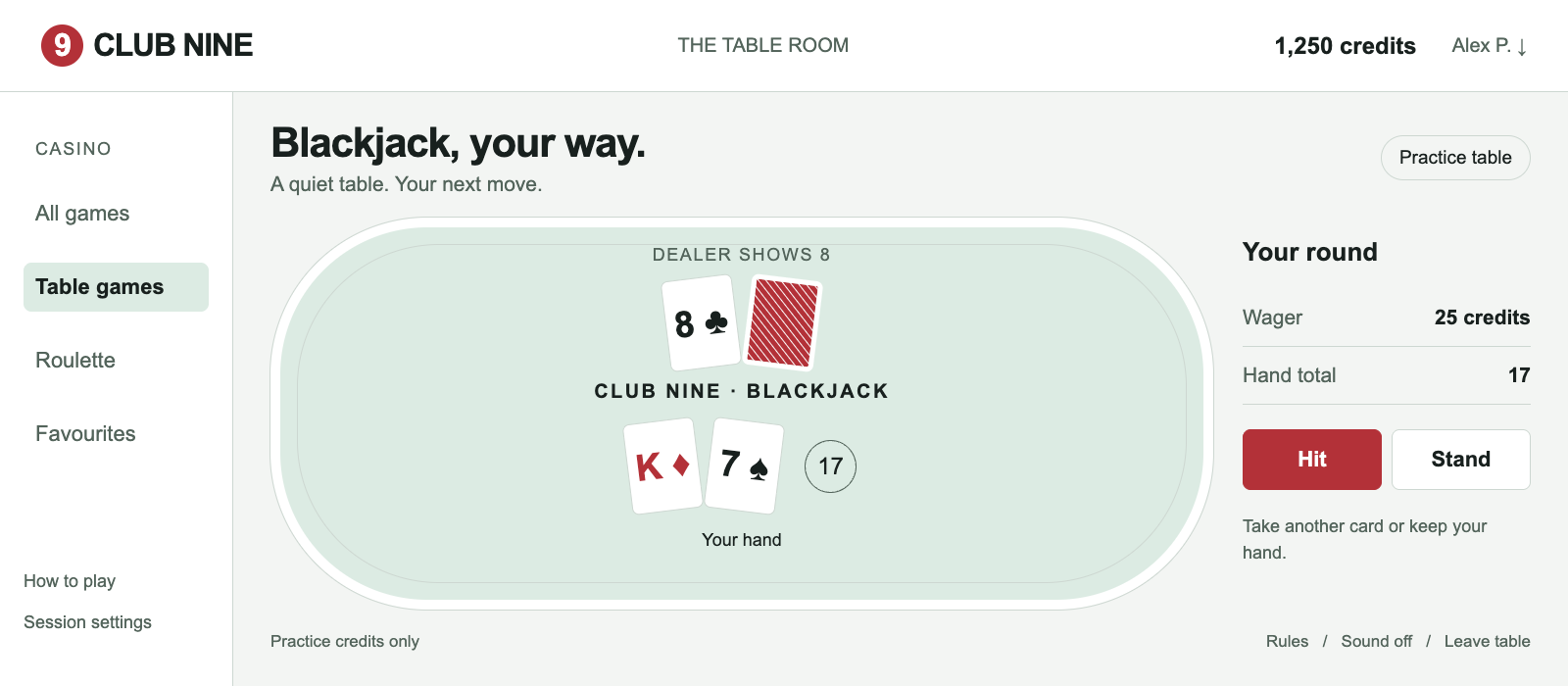
The brief went well beyond a convincing screen. These systems needed the depth and behaviour of real products, including the services and infrastructure behind them. Our responsibility covered full-stack development, systems design and validation, turning Sam’s requirements into software people could actually use.
Precision where it matters
The engineering requirement was unusually strict. Each system needed to be vulnerable in the one intended place and robust elsewhere. The intended exploit had to work reliably on the first attempt. That set the bar for design and validation, rather than a promise that software can never fail.
A working interface, the logic behind it and the environment it runs in all had to agree. An unrelated failure could make a correct approach appear wrong; an accidental shortcut could undermine the lab Sam had designed. We treated reliability as part of the product itself.
“Learned a lot of new stuff: go beyond a simple XSS and custom scripts for AI exploitation.”
Fairness depends on stability
For a player, a fair challenge means being able to trust what the system does. Difficulty should come from understanding the problem, without having to guess whether the software has broken. Our validation work focused on keeping the intended behaviour dependable and removing unintended routes through the system.
“Feels like a lot of thought went into creating this box. Cool stuff. Also, no stability issues whatsoever, contrary to most boxes with such exploits.”
That is one player’s account of the experience. The publicly accessible lab has received more than 50 reviews; the stability feedback supports the quality of that experience without serving as an uptime measure or a guarantee for every run.
From a technical idea to a usable product
This collaboration called for understanding the idea early enough to build the right thing. Sam described that in his review, saying we “asked the right questions early and actually understood what each box was supposed to do”. The domain knowledge helped us translate his designs into working software.
The same discipline matters when a business needs a custom product or an unusual integration. Clarify the behaviour that matters, build the surrounding system properly and validate the parts that could undermine it. That is how we approach precise delivery while keeping speed and cost in view, even when the idea does not fit a standard product template.